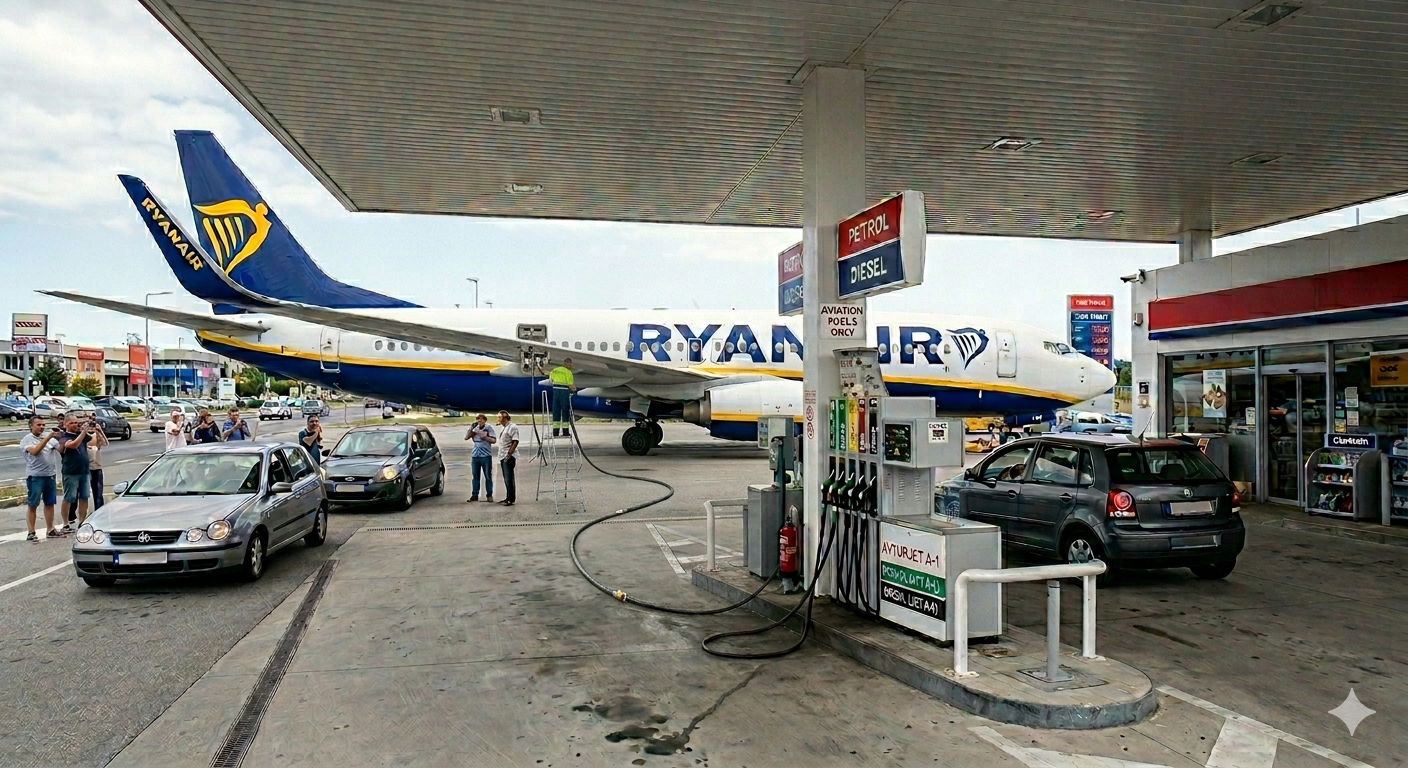
The Strait of Hormuz is effectively closed to oil tankers. Europe is running low on jet fuel. And summer is eight weeks away.
That is the situation facing European aviation right now - and the industry's response is already reshaping the flights available this summer.
What's Happening
The ongoing conflict involving Iran has disrupted the Strait of Hormuz, the narrow waterway through which roughly 20-25% of global oil supply and around 30% of the world's jet fuel normally passes. Europe, which was the largest importer of Middle Eastern refined jet fuel, has seen that supply drop to almost zero.
The International Energy Agency (IEA) warned in late April that several European countries may have as little as six weeks of jet fuel reserves remaining, describing the situation as the largest energy crisis in recent history. By early May, jet fuel prices in Europe had doubled to $187 per barrel compared to the previous year.
Airlines have already responded. Across the industry, nearly two million seats have been removed from May 2026 schedules alone.
The biggest cuts have come from legacy carriers:
- Lufthansa slashed 20,000 short-haul flights through October - around 120 cancellations per day.
- KLM cancelled 160 flights in May, roughly 1% of its European routes, citing routes that are "no longer financially viable."
- Transavia confirmed its first cancellations for May and June.
- Volotea cut approximately 1% of its scheduled flights for the next six months from 1 April.
What It Means for You
Low-cost carriers are in a difficult position. Their business model - high volume, thin margins, price-sensitive passengers - leaves little room to absorb a doubling in fuel costs.
That said, Europe's two largest budget airlines are holding the line for now.
Ryanair says its fuel supply is secured until at least mid-July and is not planning summer cancellations. The airline did acknowledge a "reasonable risk" that 10-25% of supply could be disrupted through May and June if the conflict continues. On fares, Ryanair is predicting a 5% price drop by the end of June due to weaker demand - a rare piece of good news for travellers watching their budgets.
EasyJet says it sees "no disruption to fuel supply" and has confirmed it will not add surcharges to any pre-booked flights or package holidays for this summer.
TUI and Jet2 have also assured passengers that summer operations will continue as planned.
If you're flying from Spain, there is additional reassurance: Spain has significant domestic refining capacity and sources only around 11% of its crude oil from the Middle East. No supply shortages are currently anticipated at Spanish airports.
Analysts warn, however, that if the Strait of Hormuz disruption extends into July and August, travellers could face fewer low-fare options, more schedule volatility, and shorter booking windows as airlines manage costs in real time.
For any flight this summer, it is worth reviewing your rights under EU Regulation 261/2004, which entitles passengers to compensation and rebooking if a flight is cancelled by the airline, regardless of the reason given.
Book early. Keep an eye on your airline's communications. And know your rights before you fly.
Get every flight deal we find, on your favourite app.
Pick how you want to hear from us — or all three. Free, no spam.